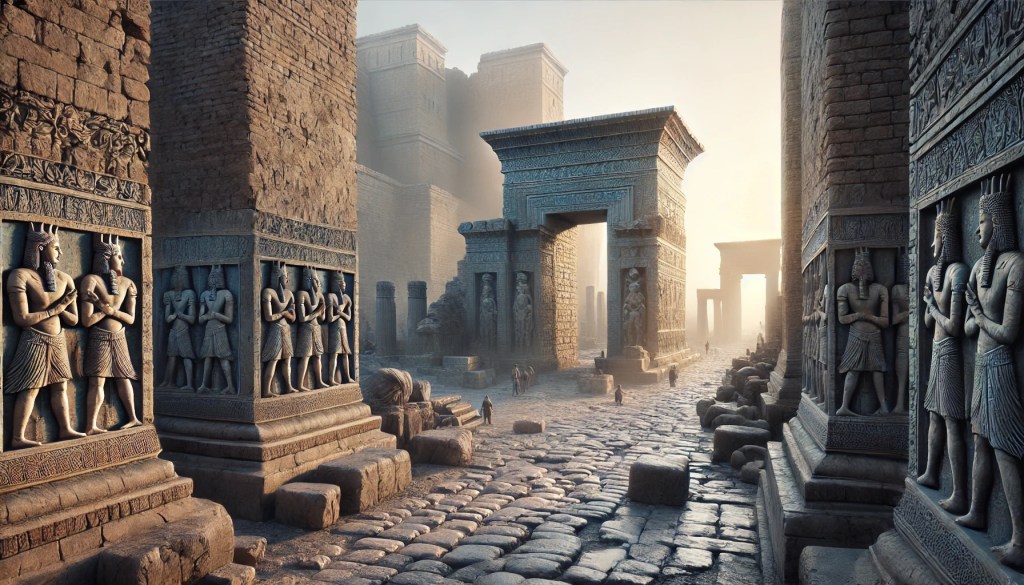
Salaam, dear traveler! I’m Layla Al-Hassan, and I invite you to join me on a journey through time as we explore the top historical sites of my beloved Iraq. As a local, I’ve grown up surrounded by these ancient marvels, and I’m excited to share my favorite spots with you.
1. Babylon Ancient City
Babylon in Iraq is more than just ruins; it’s a living testament to the ingenuity of ancient Mesopotamia.
Walking among the remnants of the Ishtar Gate, I can almost hear the echoes of ancient ceremonies. I recommend visiting early in the morning to avoid the crowds and fully immerse yourself in the quiet majesty of the site.
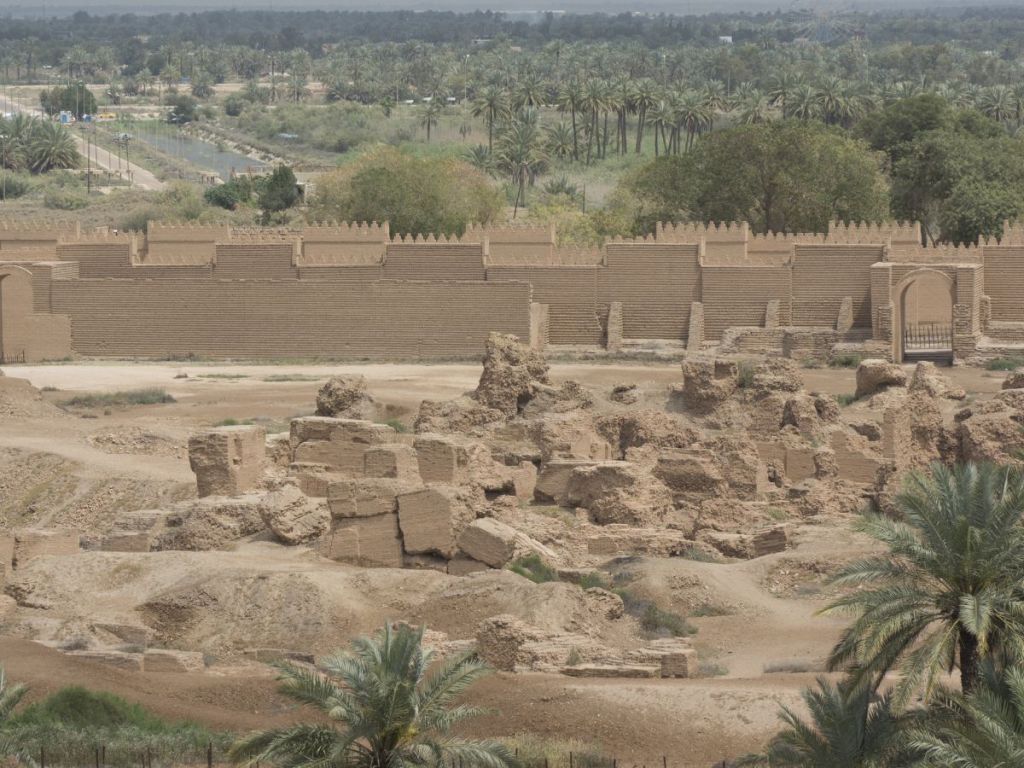
Babylon is more than just a collection of ancient ruins—it’s a living testament to the ingenuity and grandeur of ancient Mesopotamia. When you visit Babylon, you’ll feel as if you’ve stepped back in time: the majestic remnants of the Ishtar Gate, the expansive ruins that once formed the core of a thriving empire, and the subtle whispers of history that echo through its ancient walls. Early morning is the best time to explore, as the soft light accentuates the textures of weathered stone and the quiet majesty of the site allows for reflective, almost spiritual moments. Expect to be captivated by stories of legendary kings, mythical gardens, and ceremonial traditions that still resonate in the air. Babylon invites you to immerse yourself in its layered past and to appreciate the blend of natural beauty and human creativity that has defined it for millennia.
| Date/Period | Event | Description of Babylon |
|---|---|---|
| c. 1894 BCE | Early Settlement Formation | The region around Babylon begins to see small agricultural settlements that eventually coalesce into a significant urban center near the Euphrates River. |
| c. 1792–1750 BCE | Reign of Hammurabi | Babylon rises to prominence under King Hammurabi, who unifies the region and issues one of the earliest known legal codes, setting standards for law and order. |
| c. 1595 BCE | Hittite Invasion | Babylon experiences a major setback when the Hittites sack the city, marking a turning point that would eventually lead to new regimes rising in the region. |
| c. 1155 BCE | Kassite Rule | Babylon falls under Kassite control, ushering in a period of stability and cultural synthesis that preserves much of its ancient heritage. |
| c. 750 BCE | Emergence of the Neo-Babylonian Empire | Babylon reasserts itself as a center of power; this period sees the city’s cultural revival, setting the stage for its greatest era. |
| 605–562 BCE | Reign of Nebuchadnezzar II | Under Nebuchadnezzar II, monumental projects such as the reconstruction of the Ishtar Gate and the legendary Hanging Gardens (if they existed) highlight Babylon’s peak of architectural and cultural achievement. |
| 539 BCE | Persian Conquest | Cyrus the Great of Persia conquers Babylon, integrating it into the vast Achaemenid Empire and marking the beginning of a new era of cultural exchange. |
| 331 BCE | Hellenistic Influence | Alexander the Great’s conquest introduces Greek cultural elements that mingle with Babylon’s native traditions, influencing art and urban planning. |
| 1st Century CE | Gradual Decline | Over time, Babylon’s prominence fades as shifts in trade routes and political power lead to its abandonment as a major urban center. |
| 19th–20th Centuries | Archaeological Rediscovery and Restoration | Modern excavations reveal the ancient splendor of Babylon, igniting global interest and prompting ongoing efforts to restore and preserve its iconic ruins. |
2. Great Ziggurat of Ur
Ur is where history comes alive. The majestic ziggurat stands as a proud reminder of the Sumerian civilization.
As I wander through the site, I often reflect on the stories my grandparents told me about our ancestors. Don’t forget to take your time and let the history envelop you.
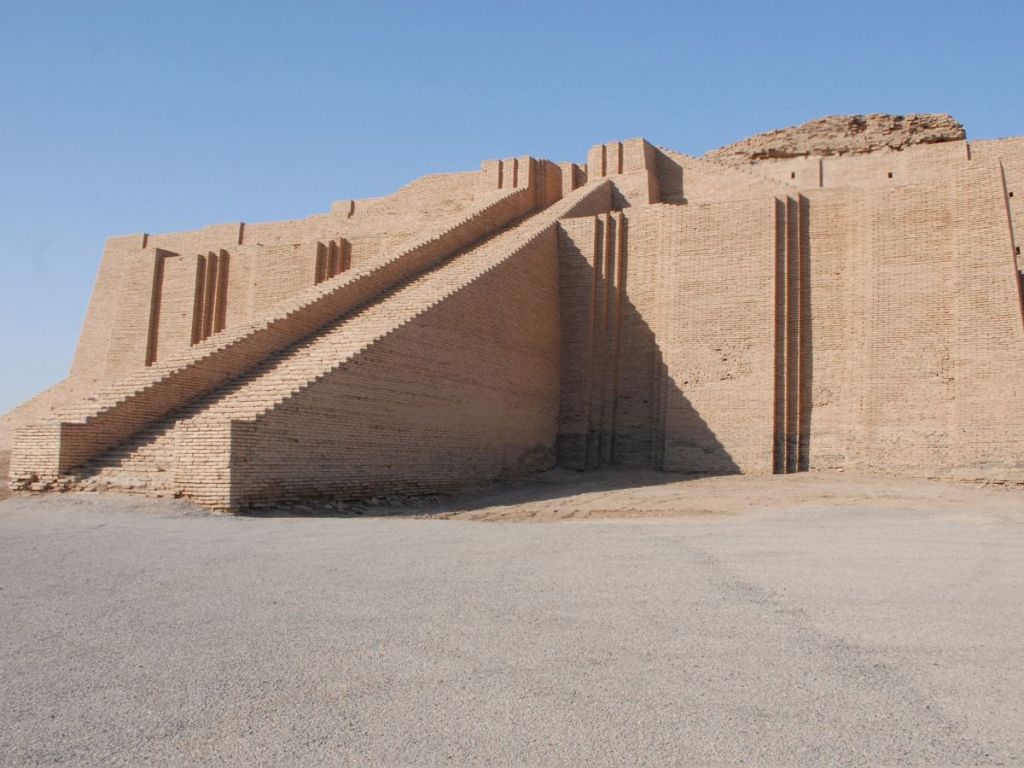
Ur is a cornerstone of human history and the very place where the dawn of civilization took shape. This ancient city, renowned for its iconic ziggurat, offers visitors a rare chance to witness firsthand the architectural and cultural innovations of the Sumerians. As you wander among its ancient structures, you’ll be enveloped in an atmosphere steeped in the wisdom of your ancestors—echoing the stories my grandparents shared about the glory of our past. Expect a sense of awe as you explore the remnants of once-bustling temples, royal tombs, and market areas that hint at a sophisticated urban life. Ur is a must-visit for anyone fascinated by the origins of urban society, where every step brings you closer to understanding the profound legacy of human ingenuity and perseverance.
| Date/Period | Event | Description of Ur |
|---|---|---|
| c. 3800 BCE | Early Settlement Emergence | The area around Ur begins to show evidence of early agricultural communities that laid the groundwork for urban development. |
| c. 3800–3500 BCE | Ubaid Period | Ur develops as part of the Ubaid culture, known for advancements in irrigation, pottery, and community organization. |
| c. 3500–3000 BCE | Formation of Urban Centers | Ur transforms into an early urban center, characterized by increased social complexity and the beginnings of monumental construction. |
| c. 2600 BCE | Peak of Early Sumerian Civilization | Ur flourishes as a major Sumerian city, becoming renowned for its temples, economic prosperity, and cultural influence. |
| c. 2112–2004 BCE | Third Dynasty of Ur (Ur III) | Often referred to as the Sumerian Renaissance, Ur III is marked by centralized administration, monumental ziggurats, and a vibrant cultural scene. |
| c. 2000 BCE | Gradual Decline of Ur III | Environmental challenges and political shifts lead to the slow decline of Ur as its administrative importance diminishes. |
| c. 600 BCE | Reoccupation and Regional Trade | Ur experiences periods of reoccupation as it becomes a regional hub for trade and cultural exchange under successive empires. |
| 4th–1st Centuries BCE | Hellenistic and Parthian Influence | The city benefits from cultural interactions during the Hellenistic and Parthian periods, which add layers to its rich heritage. |
| 7th Century CE | Islamic Conquest | Ur, along with the rest of Mesopotamia, is integrated into the Islamic world, preserving its historical significance in a new era. |
| 19th–20th Centuries | Modern Excavations and Preservation | Systematic archaeological work revives interest in Ur’s ancient ruins, particularly its iconic ziggurat and associated artifacts, securing its place in global history. |
3. Erbil Citadel
In Iraqi Kurdistan, the Erbil Citadel offers a unique blend of ancient architecture and modern life. Having lived near Baghdad, I appreciate how these ancient stones have witnessed centuries of change.
The Citadel is a must-see for those interested in the continuum of human history.
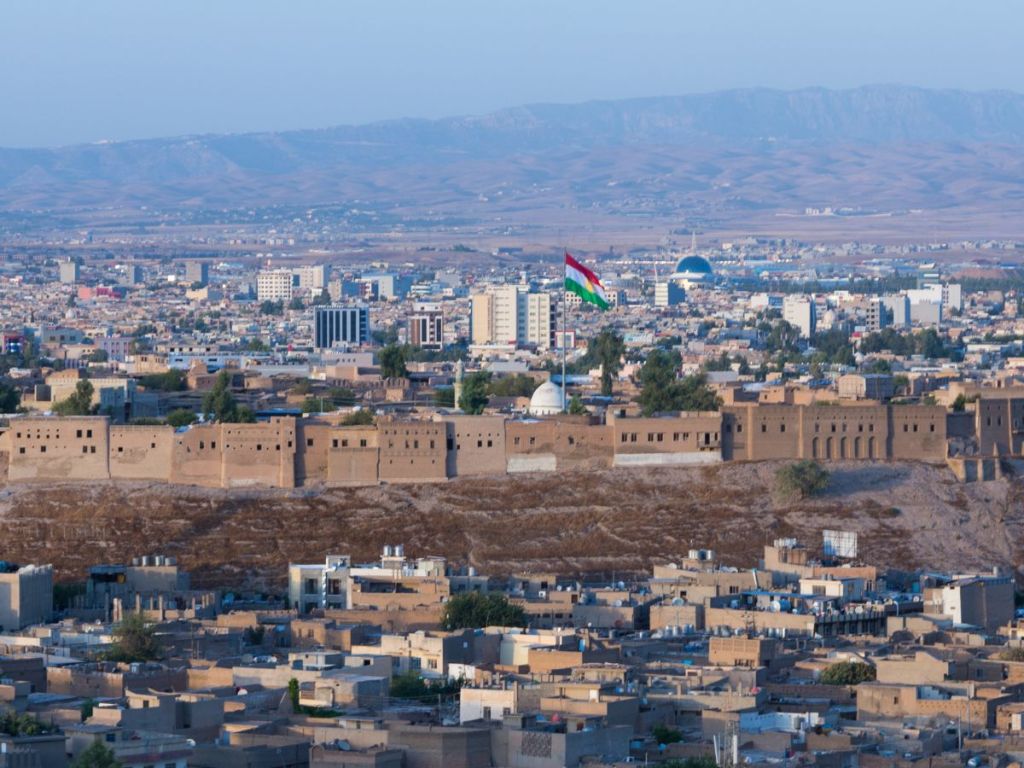
Perched high above the modern city of Erbil, the Erbil Citadel is a unique blend of ancient fortification and living history. As you stroll along its ancient stone paths, you’ll encounter a microcosm of Iraqi heritage where past and present coexist harmoniously. The Citadel’s narrow alleys, historic dwellings, and panoramic views of the bustling city below offer a rare glimpse into the continuous human settlement that has characterized this region for thousands of years. Visiting Erbil Citadel is like reading a living history book—each corner tells a story of cultural evolution, resilience, and community. Expect to be amazed by the architectural details, to feel the energy of centuries of history, and to gain an authentic perspective on the region’s transformative journey from ancient times to modernity.
| Date/Period | Event | Description of Erbil |
|---|---|---|
| c. 6000 BCE | Prehistoric Settlement Evidence | The area surrounding modern Erbil shows signs of early human habitation, laying the foundation for future urban development. |
| c. 5000 BCE | Neolithic Developments | Early agricultural communities emerge near the site, setting the stage for the development of more complex societal structures. |
| c. 3000 BCE | Formation of Early Urban Centers | The region gradually evolves into organized settlements, which eventually form the core of what is now the Erbil Citadel. |
| c. 1500 BCE | Regional Strategic Importance | As regional powers vie for control, the Erbil area begins to hold strategic importance due to its location and natural defenses. |
| c. 600 BCE | Median and Persian Influence | The area is influenced by powerful empires, enhancing its role as a fortified site and trading hub. |
| 637 CE | Islamic Conquest | Erbil, including its Citadel, is integrated into the Islamic world, which leaves a lasting imprint on its culture and architecture. |
| c. 12th Century CE | Medieval Period and Regional Turbulence | During the Seljuk era and periods of Crusader activity, the Citadel experiences intermittent conflict, underscoring its continued importance. |
| 16th–17th Centuries | Ottoman Rule | The Citadel becomes part of the Ottoman administrative system, witnessing both neglect and renovation efforts as regional dynamics shift. |
| 20th Century | Modern Urban Expansion | Rapid modernization in Erbil challenges the preservation of the Citadel, prompting debates over restoration versus development. |
| 21st Century | Restoration and UNESCO Consideration | Ongoing restoration projects and discussions regarding UNESCO recognition aim to preserve Erbil Citadel as a living testament to the region’s ancient legacy. |
4. Nineveh ancient Assyrian city
Once the heart of the Assyrian empire, Nineveh’s ruins tell tales of a bygone era. I find the guided tours particularly enriching, as they provide context that you might miss on your own.
The blend of archaeological wonder and historical narrative makes it an essential visit.
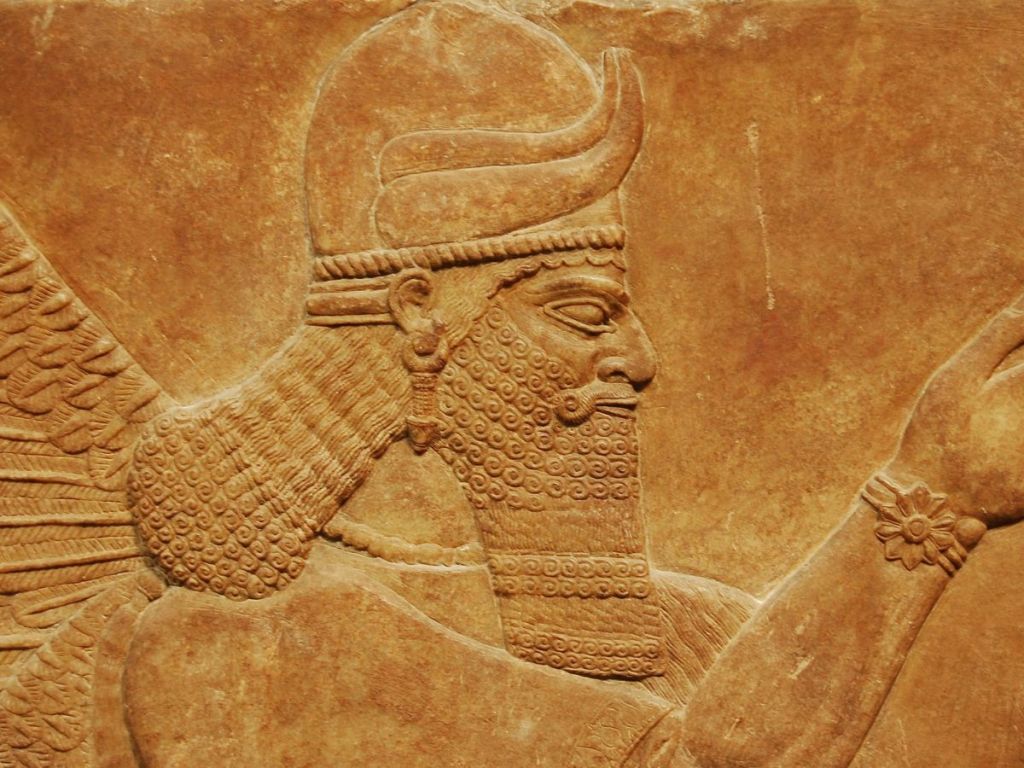
Once the majestic heart of the Assyrian Empire, Nineveh invites visitors into a world of awe-inspiring ruins and profound historical narratives. Walking through Nineveh, you will encounter the remnants of grand palaces, ancient libraries, and intricate bas-reliefs that narrate the story of one of the ancient world’s most formidable civilizations. Guided tours here enrich your understanding by providing detailed context that brings the past vividly to life, allowing you to appreciate both the architectural mastery and the cultural complexity of the site. Expect an immersive experience that combines the thrill of discovery with the solemn reflection of history—a journey that underscores the rise and fall of empires and the enduring legacy of human achievement in this storied landscape.
| Date/Period | Event | Description of Nineveh |
|---|---|---|
| c. 6000 BCE | Prehistoric Inhabitance | Early human settlements begin in the fertile region surrounding Nineveh, setting the stage for its future significance. |
| c. 3000 BCE | Foundation of Urbanization | Nineveh emerges as a modest settlement during the Bronze Age, eventually evolving into a significant urban center. |
| c. 1300 BCE | Assyrian Foundations | Nineveh is incorporated into the growing Assyrian state, marking its transformation into a key cultural and political center. |
| c. 900 BCE | Golden Age of Nineveh | As the heart of the Assyrian Empire, Nineveh flourishes, becoming renowned for its monumental architecture and sophisticated culture. |
| c. 705 BCE | Sennacherib’s Expansion | King Sennacherib enhances Nineveh with grand palaces, libraries, and extensive city planning, making it one of the ancient world’s most impressive capitals. |
| c. 612 BCE | Fall of Nineveh | A coalition of forces sacks Nineveh, marking a dramatic end to the Assyrian Empire and plunging the city into ruin. |
| 1st Millennium CE | Legacy in Abandonment | Over centuries, Nineveh remains in ruins, its remnants slowly absorbed by the surrounding landscape while inspiring future generations. |
| 19th Century CE | Rediscovery by Archaeologists | European explorers and early archaeologists begin uncovering Nineveh’s lost splendor, sparking global interest in its rich history. |
| Late 20th Century | Restoration and Preservation Efforts | Renewed archaeological and conservation efforts aim to protect and restore Nineveh’s ruins for future generations. |
| 21st Century | Cultural Revival and Scholarly Study | Nineveh becomes a focal point for historical research and cultural revival, with both local communities and international scholars working to celebrate its legacy. |
5. Nimrud ancient Assyrian city
Nimrud has undergone significant restoration in recent years. I always recommend it to fellow history enthusiasts who want to see how ancient Assyrian art and architecture can still inspire us today.
| Date/Period | Event | Description of Nimrud |
|---|---|---|
| c. 1300 BCE | Founding of Nimrud | Nimrud is established as a key city in the Assyrian heartland, quickly growing in importance due to its strategic location. |
| c. 1000 BCE | Rise as an Assyrian Capital | Nimrud becomes one of the primary capitals of the Assyrian Empire, symbolizing its political and cultural might. |
| c. 900 BCE | Flourishing Under Assyrian Kings | Monumental construction projects and artistic achievements define Nimrud during its peak under powerful Assyrian rulers. |
| c. 612 BCE | Assyrian Collapse | With the fall of the Assyrian Empire, Nimrud experiences a rapid decline, its grandeur gradually fading from prominence. |
| 7th–8th Centuries CE | Abandonment and Overgrowth | Nimrud is largely abandoned, with nature reclaiming its structures over the centuries. |
| 1850s | Early Rediscovery | European explorers first identify Nimrud as an important archaeological site, rekindling global interest in its history. |
| Early 20th Century | Archaeological Excavations Begin | Systematic excavations reveal the intricate art and architecture of Nimrud, confirming its status as a major ancient city. |
| Early 21st Century | Restoration Initiatives Launched | Local and international teams work together to restore key monuments and artifacts, preserving Nimrud’s legacy. |
| Mid 21st Century | Cultural Renaissance | Growing appreciation for Assyrian heritage leads to renewed efforts to celebrate Nimrud’s historical significance through festivals and exhibitions. |
| Present | Ongoing Preservation Efforts | Continuous restoration and preservation projects ensure that Nimrud remains an enduring testament to ancient Assyrian civilization. |
Nimrud offers an extraordinary window into the world of ancient Assyria, where art, architecture, and power converge to tell a story of a once-mighty civilization. Visiting Nimrud is like piecing together an ancient puzzle; restored monuments, intricate carvings, and sprawling palace complexes reveal the grandeur of Assyrian culture. In recent years, significant restoration efforts have allowed visitors to appreciate the site’s original splendor, making it a vibrant testament to the artistic and architectural innovations of its time. Expect to be inspired by the detailed bas-reliefs and monumental sculptures that have survived the passage of time, and prepare to be moved by the realization that the legacy of Nimrud is not confined to history books—it lives on in every carved stone and every restored fragment of its illustrious past.
6. Hatra ancient city in Upper Mesopotamia
Hatra’s mix of Hellenistic and Eastern influences is simply mesmerizing. Walking its fortified walls, I can feel the weight of history and the artistry of our ancestors in every carved stone.
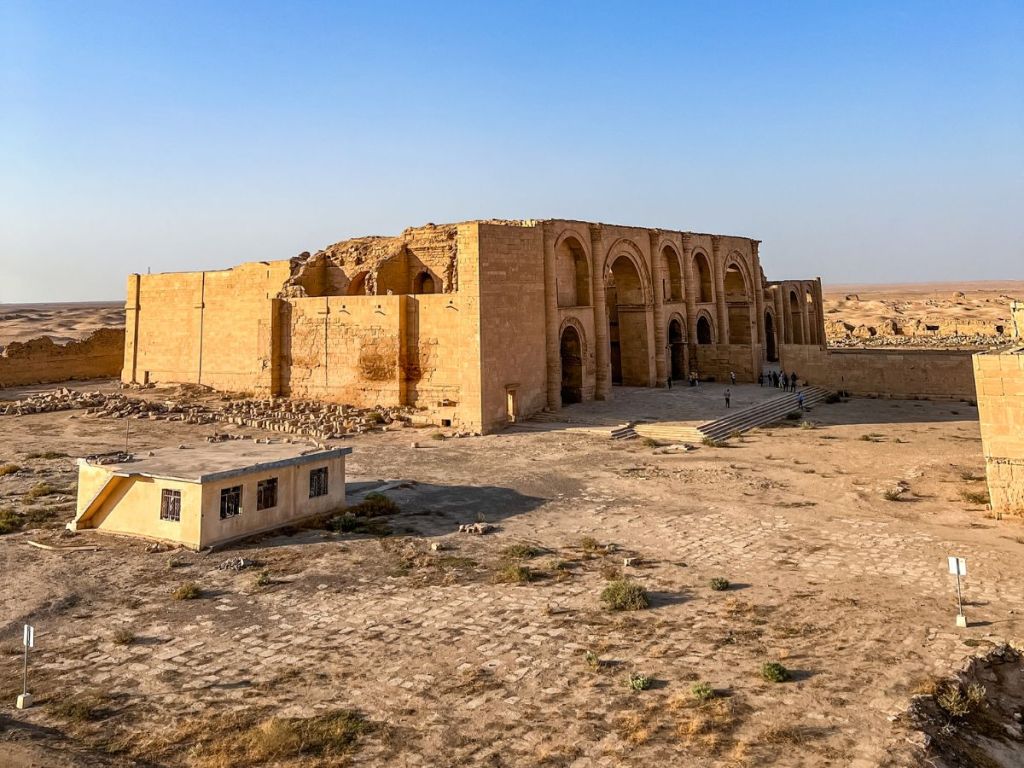
Hatra is a remarkable blend of cultural influences—a fortified city where Hellenistic aesthetics meet Eastern traditions. This enchanting site is renowned for its impressive defensive walls and beautifully carved temples, which stand as a testament to the city’s strategic importance and artistic vitality. As you explore Hatra, you can expect to be struck by the seamless integration of diverse architectural styles and the palpable sense of history that emanates from every corner. The city’s peaceful ambiance, set against a backdrop of arid landscapes, provides a perfect setting for contemplation and discovery. Hatra is a must-visit for those who appreciate cultural syncretism and the enduring beauty of ancient craftsmanship—a place where every carved stone and ancient relief tells a story of creativity and resilience.
| Date/Period | Event | Description of Hatra |
|---|---|---|
| c. 100 BCE | Foundation of Hatra | Hatra is established as a fortified settlement on the fringes of the Parthian Empire, capitalizing on its strategic location for trade and defense. |
| c. 80 BCE | Emergence as a Trading Hub | The city grows in prominence as a center for commerce, benefiting from its location along important trade routes. |
| c. 1st Century CE | Architectural Flourishing | Hatra develops into a city known for its impressive temples and defensive walls, blending Hellenistic design with local traditions. |
| c. 200 CE | Cultural Zenith | Hatra reaches its peak, celebrated for its art and cultural vibrancy that attract diverse influences from both East and West. |
| c. 240 CE | Roman Recognition | Though remaining independent, Hatra draws the attention of the Roman Empire for its formidable defenses and strategic importance. |
| c. 250–270 CE | Defensive Resilience | The city withstands several military assaults, underlining its robust fortifications and military prowess. |
| c. 300 CE | Onset of Decline | Changing trade routes and internal challenges contribute to Hatra’s gradual decline as a major urban center. |
| 7th Century CE | Transition to the Islamic Era | Hatra comes under the influence of the expanding Islamic world, altering its cultural and administrative landscape. |
| 20th Century | Rediscovery by Archaeologists | Excavations uncover Hatra’s unique blend of Hellenistic and Eastern influences, sparking renewed global interest. |
| Present | UNESCO Recognition and Preservation | Today, Hatra is celebrated as a UNESCO World Heritage Site, with ongoing restoration efforts aimed at preserving its monumental legacy. |
7. Karbala Holy City
While Karbala is known for its religious significance, it also boasts remarkable historical landmarks. My visits here always leave me with a deep respect for the cultural and spiritual heritage that defines our region.
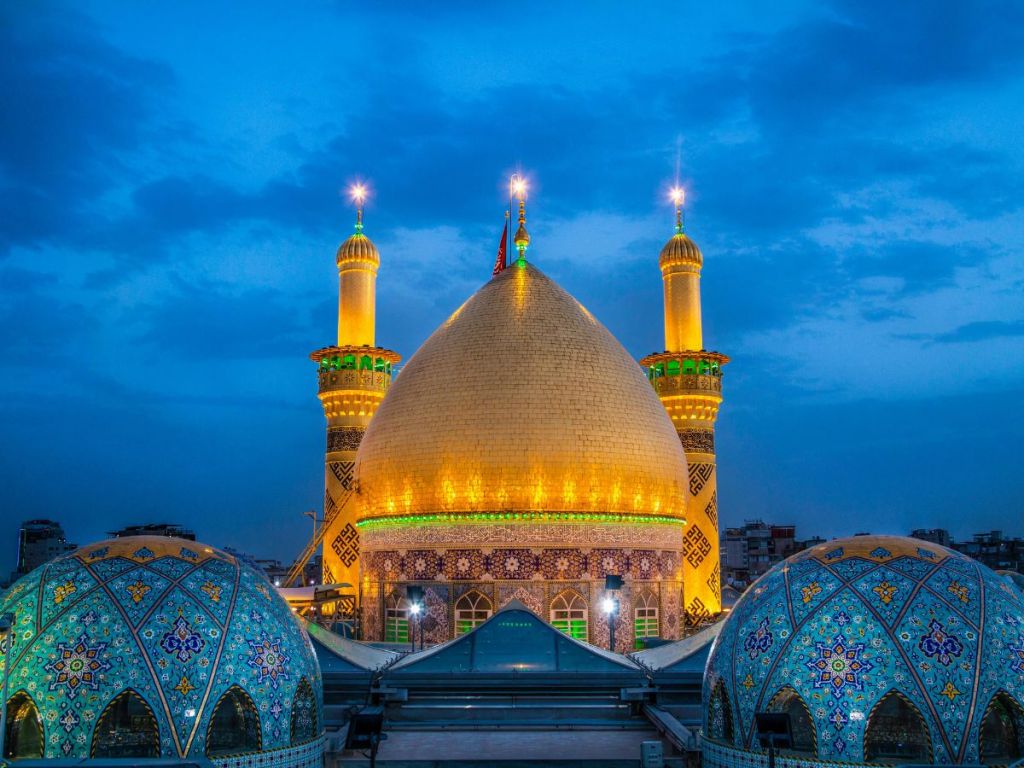
Karbala is a city of profound spiritual significance and historical depth, known not only for its religious landmarks but also for its rich cultural heritage. A visit to Karbala is an emotionally moving experience, where the solemnity of the Battle of Karbala and the martyrdom of Imam Hussein infuse every street and shrine with deep reverence. Expect to witness vibrant rituals, hear moving recitations, and feel the collective spirit of millions of pilgrims who come to pay their respects. Beyond its spiritual dimension, Karbala also offers a glimpse into the region’s artistic and cultural traditions through its preserved monuments and scholarly institutions. Whether you’re drawn by faith, history, or the sheer human story of sacrifice and resilience, Karbala promises a transformative journey that resonates long after you leave.
| Date/Period | Event | Description of Karbala |
|---|---|---|
| 680 CE | Battle of Karbala | A seminal event in Islamic history, the martyrdom of Imam Hussein at Karbala establishes its enduring spiritual significance. |
| 8th–9th Centuries CE | Emergence as a Pilgrimage Site | Following the tragedy, Karbala becomes a major destination for pilgrims, with its shrines and sacred sites drawing visitors from across the Muslim world. |
| 12th Century CE | Expansion of Religious Monuments | Significant religious structures are constructed, solidifying Karbala’s role as a center of Shia devotion and scholarship. |
| 16th Century CE | Ottoman Administration | Under Ottoman rule, Karbala’s infrastructure and religious monuments undergo renovations that preserve its spiritual legacy. |
| 18th Century CE | Cultural Flourishing | Karbala experiences a period of cultural and scholarly growth, contributing to its reputation as a hub of religious learning and art. |
| 19th Century CE | Modernization Efforts Begin | The city starts to modernize its infrastructure while maintaining its sacred character, balancing tradition with emerging needs. |
| 20th Century | Periods of Conflict and Renewal | Despite political and social upheavals, Karbala’s religious identity remains resilient, continuing to attract pilgrims. |
| 1980s–1990s | Reconstruction Initiatives | Significant efforts are undertaken to restore damaged monuments and enhance the city’s infrastructure for modern pilgrims. |
| 21st Century | Digital Documentation and Preservation | New technologies and international collaborations document and preserve Karbala’s sacred heritage for future generations. |
| Present | Enduring Spiritual and Cultural Hub | Karbala continues to serve as a vibrant center of faith and learning, hosting millions of pilgrims annually who seek spiritual solace and cultural insight. |
8. Najaf Holy City
Najaf offers a unique insight into Islamic art and history. I love strolling through the ancient streets and marveling at the beautiful mosques. It’s a place where spirituality and history intertwine seamlessly.
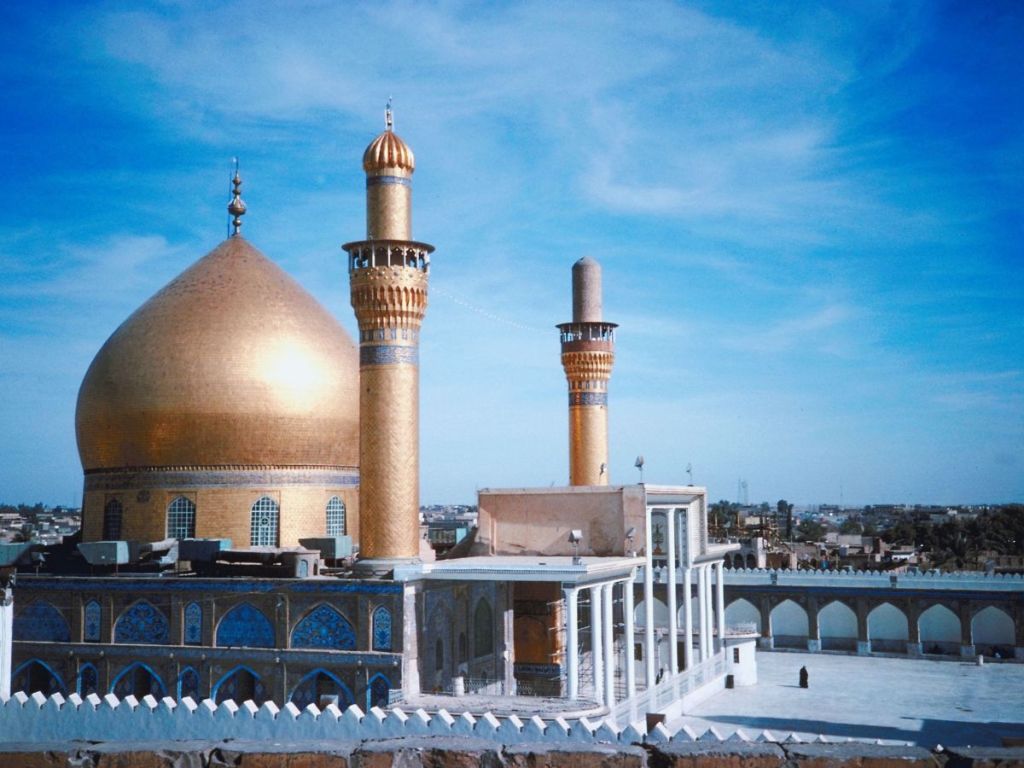
Najaf is a beacon of Islamic scholarship and spiritual reflection, offering a harmonious blend of religious tradition and historical grandeur. This ancient city is home to some of the most revered shrines and educational institutions in the Islamic world, making it a vital center for both pilgrimage and intellectual pursuit. When you visit Najaf, you can expect to be enveloped in an atmosphere of quiet contemplation and scholarly rigor. Strolling along its ancient streets, you’ll encounter intricately designed mosques, bustling seminaries, and a community that cherishes its rich heritage. Najaf invites you to explore its storied past and to engage with the profound spirituality that has made it a focal point of religious life for centuries—a truly enriching experience for the mind and soul.
| Date/Period | Event | Description of Najaf |
|---|---|---|
| 680 CE | Emergence as a Religious Center | Following the events at Karbala, Najaf emerges as an important hub for Shia scholarship and pilgrimage, centered around revered shrines and seminaries. |
| 8th–9th Centuries CE | Establishment of Early Islamic Scholarship | Najaf quickly becomes renowned for its theological schools and the early development of Islamic jurisprudence. |
| 10th Century CE | Intellectual Flourishing | Najaf sees the rise of influential scholars and becomes a leading center of religious thought and intellectual discourse. |
| 1258 CE | Impact of the Mongol Invasion | Although the Mongol invasion disrupts much of the region, Najaf’s spiritual significance endures through the centuries. |
| 16th Century CE | Safavid Influence | Under Safavid rule, Najaf is further solidified as a center of Shia Islam, with renovations to its sacred sites and the establishment of new educational institutions. |
| 18th Century CE | Expansion of Religious Institutions | Najaf’s seminaries and shrines expand, attracting scholars and pilgrims from across the Islamic world. |
| 19th Century CE | Modern Reforms and Educational Growth | The city begins to balance its traditional role with modern reforms, setting the stage for a dynamic religious community. |
| 20th Century | Post-Revolution Transformation | Amid significant political changes, Najaf continues to evolve while remaining a vital center for Islamic scholarship and devotion. |
| 21st Century | Digital Age of Scholarship | Advances in technology improve access to Najaf’s theological resources, making its rich heritage available to a global audience. |
| Present | Enduring Spiritual Legacy | Najaf remains a revered pilgrimage destination and a vital center for Shia thought, deeply influencing Islamic culture and religious practice worldwide. |
9. Samarra Archaeological City
The Great Mosque of Samarra, with its iconic spiral minaret, is a sight to behold. I highly recommend visiting during the cooler parts of the day to fully appreciate its architectural beauty without the harsh sunlight.
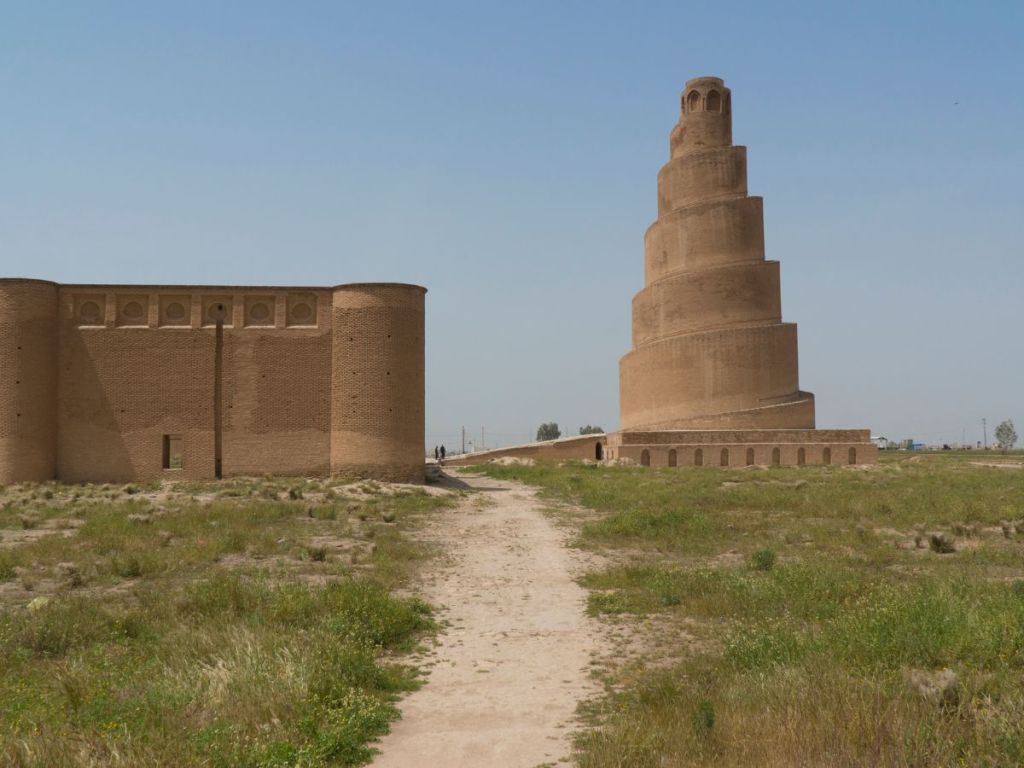
Samarra, with its iconic Great Mosque and mesmerizing spiral minaret, is a must-see destination for anyone interested in the legacy of Islamic art and architecture. Founded as the capital of the Abbasid Caliphate, Samarra stands as a symbol of a bygone era of cultural and intellectual brilliance. As you wander through its historic streets, expect to be dazzled by the architectural splendor and the intricate details that adorn its monuments. The cool, quiet atmosphere of the city—especially during the early morning or late afternoon—offers the perfect setting to reflect on the profound historical significance of the site. Samarra is not just about visual splendor; it’s a place where history comes alive, inviting you to witness the enduring legacy of Islamic civilization through its majestic and carefully preserved structures.
| Date/Period | Event | Description of Samarra |
|---|---|---|
| 836 CE | Foundation of Samarra | Samarra is established as the new capital of the Abbasid Caliphate, marking a significant shift in political power and administrative innovation. |
| 9th Century CE | Construction of the Great Mosque | The iconic Great Mosque of Samarra, with its distinctive spiral minaret, is built, symbolizing the era’s architectural ingenuity. |
| 9th–10th Centuries CE | Cultural Flourishing and Political Centrality | Samarra serves as a vibrant center of culture, art, and learning during the peak of Abbasid rule. |
| 946 CE | Onset of Decline | Shifts in political power lead to the gradual decline of Samarra’s prominence as the Abbasid Caliphate moves its focus elsewhere. |
| 12th Century CE | Medieval Resurgence | Renewed local interest and modest efforts in restoration hint at Samarra’s enduring cultural significance. |
| 16th–17th Centuries | Ottoman Integration | Under Ottoman rule, Samarra is administratively incorporated, with some restoration efforts aimed at preserving its unique heritage. |
| 19th Century | Rediscovery by Western Scholars | European travelers and early archaeologists begin to document Samarra’s architectural and historical treasures. |
| 20th Century | Conservation Initiatives | Efforts to preserve the Great Mosque and other monuments gain momentum amid rising awareness of Samarra’s cultural value. |
| 21st Century | Balancing Development and Heritage | Modern challenges prompt local authorities to seek ways to protect Samarra’s historical legacy while accommodating contemporary needs. |
| Present | Ongoing Restoration and Recognition | Samarra is celebrated for its architectural wonders and continues to be an essential stop for those exploring Islamic history in Iraq. |
10. Mosul’s Old City
Despite recent challenges, Mosul’s old city remains a symbol of resilience and heritage. I am always moved by the community’s determination to rebuild and preserve their history. It’s a poignant reminder of the enduring human spirit.
| Date/Period | Event | Description of Mossul |
|---|---|---|
| c. 2000 BCE | Early Settlement Formation | The area that will become Mosul shows signs of early human habitation, setting the stage for centuries of urban development. |
| c. 1000 BCE | Emergence Under Assyrian Influence | The region flourishes under successive empires, with Mosul gradually emerging as an important cultural and economic center. |
| 7th Century CE | Integration into the Islamic World | With the advent of Islam, Mosul’s Old City becomes part of the rapidly expanding Muslim cultural sphere, blending ancient traditions with new influences. |
| 12th Century CE | Medieval Prosperity | The Old City blossoms as a center of trade, craftsmanship, and learning, renowned for its vibrant markets and artisan workshops. |
| 13th Century CE | Mongol Incursions | Devastating Mongol invasions leave their mark on Mosul, impacting its structure and cultural heritage, yet the city endures through resilience and adaptation. |
| 16th–17th Centuries | Ottoman Rule and Urban Flourishing | Under Ottoman governance, Mosul experiences relative stability and growth, with the Old City becoming a hub of commerce and cultural exchange. |
| 20th Century | Modernization and Urban Challenges | Rapid urban development poses challenges for preserving the historic character of Mosul’s Old City, as modernization encroaches on traditional structures. |
| Early 21st Century | Conflict and Damage | Recent regional conflicts result in significant damage to the Old City’s heritage sites, prompting international calls for restoration and support. |
| 2017 | Intensive Restoration Efforts | Following extensive damage during conflicts, restoration initiatives are launched to rebuild and protect Mosul’s historical landmarks. |
| Present | Rebirth and Cultural Revival | Gradual recovery efforts and cultural initiatives signal a hopeful future for Mosul’s Old City, as local communities and international partners work to revive its storied legacy. |
Mosul’s Old City is a living archive of cultural and historical evolution, offering a rich tapestry of architectural marvels and vibrant street life. This ancient urban center has been a crossroads of cultures for millennia, where traditions blend seamlessly with the dynamic pulse of modern life. Walking through its labyrinthine streets, you can expect to encounter bustling markets, time-worn mosques, and artisan workshops that continue to honor the city’s storied past. Despite the challenges of recent conflicts, Mosul’s Old City stands as a symbol of resilience and hope, with ongoing restoration efforts breathing new life into its historic fabric. A visit here is a profound experience—a journey through time that celebrates the enduring spirit of a community determined to preserve its heritage and reclaim its place on the world stage.
My Final Reflections
Exploring these most important Iraq historical sites is a journey that goes far beyond sightseeing—it’s an invitation to feel the heartbeat of Iraq. I encourage you to visit these places at your own pace, listen to the local stories, and let history guide your experience. Every stone, every monument has a story, and I hope you’ll come away with a deeper understanding of our past.
 Iraq Travel Tales
Leave a comment