Category: Culture

  • The Impact of Christianity on Iraqi Society

    The Impact of Christianity on Iraqi Society

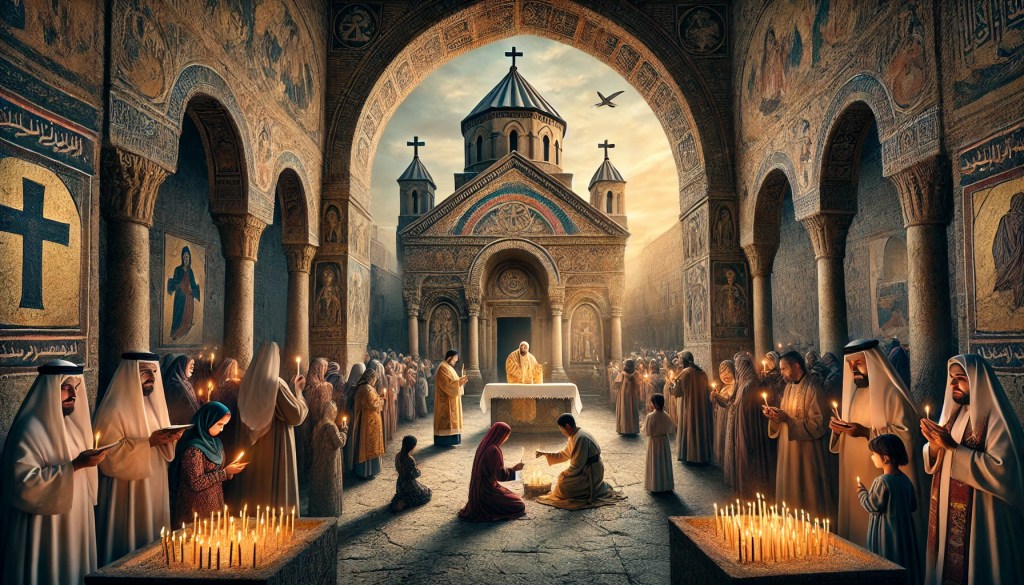
    Christianity has been an integral part of Iraqi society for nearly two millennia, contributing significantly to the nation’s cultural, educational, and social development. Despite facing numerous challenges, the Christian community in Iraq has demonstrated resilience and continues to influence the country’s diverse heritage.


    Historical Overview

    Christianity was introduced to the region of modern-day Iraq in the 1st century AD by apostles such as Thomas the Apostle and Mar Addai. The Assyrian people, residing in northern Iraq, were among the first to embrace the faith, establishing a rich tradition of Eastern Rite Christianity and Syriac literature. Over the centuries, Iraqi Christians have contributed to various fields, including theology, philosophy, medicine, and science.

    The Church of the East, founded in Mesopotamia, became one of the oldest and most influential branches of Christianity, with missionaries spreading the faith as far as India and China during the early Middle Ages.


    Key Contributions of Iraqi Christians

    • Cultural and Educational Advancements
      Iraqi Christians played a pivotal role in translating classical Greek texts into Arabic, preserving ancient knowledge that later influenced the European Renaissance. Institutions like the School of Nisibis were renowned centers of learning in the 5th and 6th centuries.
    • Architectural Heritage
      Many ancient Christian churches, such as the Monastery of Saint Matthew near Mosul, showcase the architectural ingenuity and artistic contributions of the Christian community in Iraq.

    Challenges and Persecutions

    Throughout history, Iraqi Christians have faced periods of persecution and hardship:

    • Early 20th Century – The Assyrian Genocide
      During World War I, the Assyrian Genocide led to the massacre of a significant portion of the Christian population by the Ottoman Empire and Kurdish militias.
    • Post-2003 Iraq War – Displacement and Attacks
      Following the 2003 invasion of Iraq, Christians became targets of extremist groups, leading to kidnappings, church bombings, and forced displacements. The Christian population dwindled from approximately 1.5 million in 2003 to about 150,000 today (ECLJ).
    • ISIS and the Destruction of Christian Heritage (2014-2017)
      The Islamic State of Iraq and Syria (ISIS) targeted Christians during their occupation of Mosul and the Nineveh Plains, destroying ancient churches and forcing thousands into exile. The Al-Tahira Church in Mosul was among many historic sites that were desecrated.

    For a deeper insight into the challenges and hopes of Christianity in Iraq, you might find this lecture informative:

    Christianity in Iraq: Challenges and Hopes

    Contemporary Efforts and Resilience

    Despite these challenges, Iraqi Christians have shown remarkable resilience:

    • Cultural Preservation
      Efforts are underway to restore historic Christian landmarks in cities like Mosul, symbolizing the community’s commitment to preserving their heritage (AP News).
    • Community Support and Rebuilding Efforts
      Organizations such as Aid to the Church in Need and The Nineveh Reconstruction Committee are working to rebuild Christian villages and provide support to displaced families.

    Timeline of Christianity in Iraq

    • 1st Century ADChristianity arrives in Mesopotamia via Thomas the Apostle and early missionaries.
    • 4th Century AD – Establishment of the Church of the East as a major Christian denomination in Iraq.
    • 5th Century AD – The School of Nisibis becomes a major center for theological and philosophical studies.
    • 20th Century – The Assyrian Genocide leads to mass displacement and deaths.
    • 2003 – The Iraq War marks the beginning of significant Christian emigration.
    • 2014ISIS occupation of Mosul leads to destruction of churches and forced displacement of Christians.
    • 2020s – Ongoing efforts to rebuild Christian communities and restore ancient churches.

    How to Study and Understand Christianity in Iraq Today

    To gain a deeper understanding of Christianity’s impact on Iraq:

  • The Impact of Islam on Iraqi Society

    The Impact of Islam on Iraqi Society

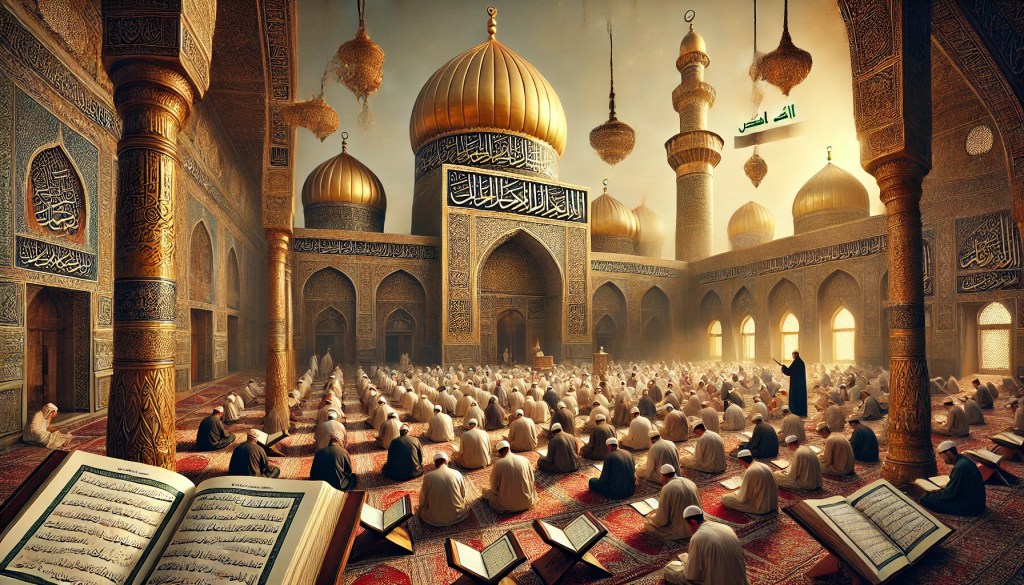
    Islam has profoundly shaped Iraqi society, influencing its cultural, political, and social landscapes. The religion’s impact is evident throughout Iraq’s history, from the early Islamic conquests to contemporary times.


    Early Islamic Influence in Iraq

    In the 7th century CE, Islam spread into the region now known as Iraq, bringing significant cultural and societal changes. The establishment of cities like Baghdad in 762 CE transformed Iraq into a center of Islamic learning and culture. Under the Abbasid Caliphate, Baghdad became a global hub for knowledge, fostering advancements in science, philosophy, and the arts.

    One of the most significant institutions of this period was the House of Wisdom, where scholars translated and preserved Greek, Persian, and Indian texts. This golden age of Islamic scholarship had a profound impact on the intellectual and scientific legacy of Iraq.


    Islam in Modern Iraqi Society

    Today, Islam is the official religion of Iraq, with approximately 97% of the population identifying as Muslim. The faith deeply intertwines with daily life, government policies, and politics. However, the numbers of non-Muslim minority groups, such as Christians, Yazidis, and Mandaeans, have declined dramatically due to sectarian tensions and conflict in recent decades (Cultural Atlas).

    Iraq’s religious demographics are divided mainly into two sects:

    • Shia Islam – the majority sect in Iraq, with key religious centers in Najaf and Karbala
    • Sunni Islam – a significant minority, mainly found in Anbar, Mosul, and Tikrit

    Political Dynamics and Islam in Iraq

    The role of Islam in Iraqi politics has evolved significantly, especially after the fall of Saddam Hussein’s regime in 2003. The removal of a secular government led to the rise of Islamist parties, filling the power vacuum and influencing constitutional and legal frameworks.

    Iraq’s 2005 Constitution establishes Islam as the foundation of the legal system, declaring that no law can be passed that contradicts Islamic principles. This has led to debates over the balance between religious influence and secular governance.


    Key Moments and Challenges

    • 2003 U.S.-Led Invasion – Overthrew Saddam Hussein, leading to the rise of religious political factions and sectarian violence.
    • 2005 Iraqi Constitution – Declared Iraq an Islamic, democratic state, increasing religious influence in governance.
    • 2014-2017 ISIS Occupation – The terrorist group ISIS imposed an extreme interpretation of Islamic law during its control of Iraqi cities like Mosul and Raqqa.
    • Recent Legal Debates – Proposed amendments to Iraq’s Personal Status Law have sparked controversy, particularly regarding women’s rights and child marriage.

    Studying the Impact of Islam on Iraqi Society Today

    To gain a deeper understanding of Islam’s role in Iraq, consider these resources:

  • Celebrations and Festivals in Iraq

    Celebrations and Festivals in Iraq

    Iraq’s rich cultural life is vividly displayed through its diverse festivals, which blend religious devotion, historical remembrance, and communal celebration. These events offer profound insights into the nation’s traditions and societal values.


    Major Festivals in Iraq

    Eid al-Fitr and Eid al-Adha

    These are two of the most significant Islamic festivals celebrated in Iraq. Eid al-Fitr marks the end of Ramadan, the holy month of fasting, while Eid al-Adha commemorates the willingness of Prophet Ibrahim to sacrifice his son in obedience to God. Both are observed with grand festivities, prayers, and family gatherings.

    Ashura and Arbaeen

    Ashura commemorates the martyrdom of Imam Hussein, the grandson of Prophet Muhammad, at the Battle of Karbala. Forty days after Ashura, Arbaeen marks the end of the mourning period, with millions undertaking pilgrimages to Karbala, making it one of the world’s largest annual gatherings.

    Nowruz

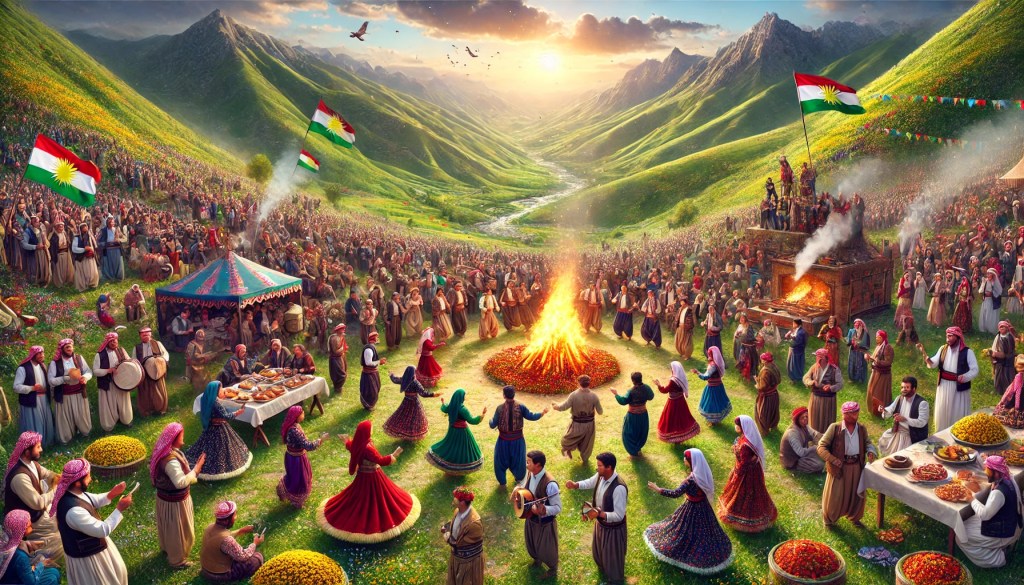
    Celebrated on March 21st, Nowruz marks the Persian New Year and the arrival of spring. In Iraq, it is particularly significant among Kurdish communities, featuring traditional music, dancing, and feasts.

    Baghdad International Book Fair

    An annual event that attracts publishers and literary enthusiasts from around the world, the Baghdad International Book Fair promotes literature and cultural exchange, highlighting Iraq’s literary heritage.

    Mandaean New Year

    Observed by the Mandaean community, this festival includes rituals such as river baptisms, symbolizing purification and renewal. The Mandaeans, an ethno-religious group native to Iraq, consider water sacred, making this festival a crucial part of their identity.

    Christian Festivals

    Iraq’s Christian communities celebrate religious events like Christmas and Easter with church services, feasts, and communal activities, particularly in cities like Baghdad, Mosul, and Erbil.

    Basra Festival of Culture and Arts

    Held in the southern city of Basra, the Basra Festival of Culture and Arts showcases local art, music, and theater, celebrating the region’s rich cultural heritage.

    Yazidi New Year (Çarşema Sor)

    Celebrated by the Yazidi community, this festival involves visiting sacred sites, lighting lamps, and sharing special meals to honor their traditions. The festival is particularly significant at Lalish, the holiest site of the Yazidis in northern Iraq.


    Timeline of Iraqi Festivals

    • Ancient Mesopotamia (circa 3000 BCE) – Early celebrations linked to agricultural cycles, including New Year festivals.
    • Islamic Era (7th century CE onward) – Introduction of Eid celebrations, Ashura, and Arbaeen.
    • Persian Influence (9th century CE onward) – Nowruz becomes a significant celebration among Kurdish and Persian communities.
    • 20th-21st Century – Emergence of modern cultural festivals like the Baghdad International Book Fair and Basra Festival of Culture and Arts.

    Studying and Understanding Iraqi Festivals Today

    To delve deeper into Iraqi festivals:

    • Academic Research: Explore scholarly articles that analyze the historical and cultural contexts of these celebrations. For example, The Role of Festivals in Iraqi Social Cohesion can be found in studies published by JSTOR.
    • Cultural Exchanges: Participate in or observe local festivals to gain firsthand experience of the traditions and communal spirit. The Iraqi Ministry of Culture often publishes schedules and event details.
    • Media Resources: Documentaries and online platforms often feature coverage of Iraqi festivals, providing visual and narrative insights. Al Jazeera and Arab News frequently report on major cultural events in Iraq.
  • The Role of Storytelling in Iraqi Culture

    The Role of Storytelling in Iraqi Culture

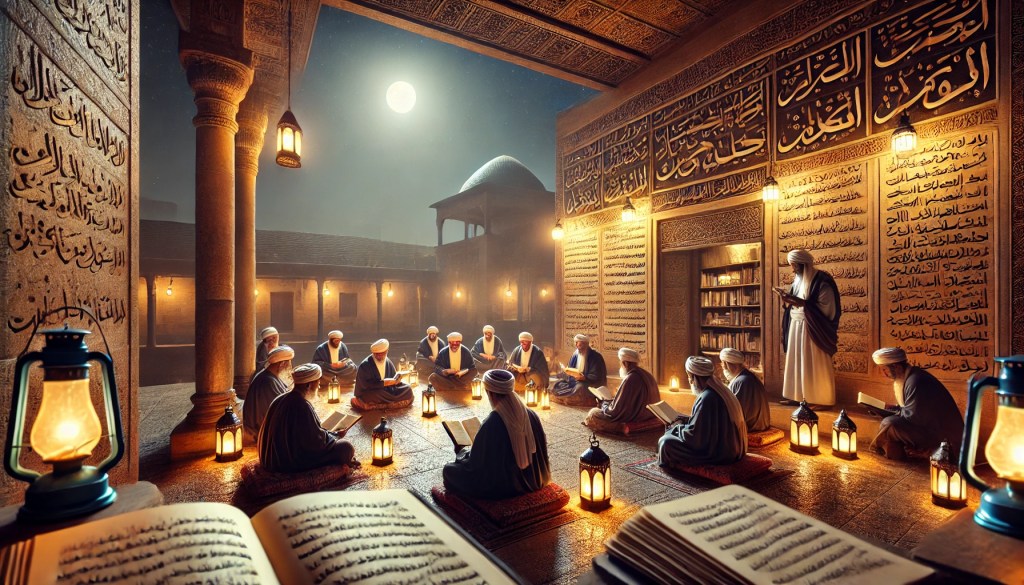
    Storytelling holds a profound place in Iraqi culture, serving as a vessel for preserving history, imparting moral lessons, and fostering community cohesion. From ancient oral traditions to contemporary narratives, storytelling has been instrumental in shaping Iraq’s social and cultural fabric.

    Historical Significance of Storytelling in Iraq

    In ancient Mesopotamia, the region now known as Iraq, storytelling was pivotal in documenting events, beliefs, and traditions. Epic tales like The Epic of Gilgamesh were passed down orally before being inscribed on clay tablets, highlighting the transition from oral to written traditions. These narratives offered insights into human nature, mortality, and the divine, reflecting the values and concerns of early Iraqi societies.

    The Role of the Qaskhun

    During the Abbasid Caliphate, Baghdad became a hub for scholars, poets, and storytellers. Professional storytellers, known as Qaskhun or Hakawati, would captivate audiences in coffeehouses and public squares with tales from One Thousand and One Nights and local folklore. Their engaging narratives not only entertained but also conveyed moral lessons and preserved cultural heritage. The Qaskhun played a crucial role in maintaining oral traditions, especially in times when literacy was not widespread.

    Storytelling as a Tool for Social Cohesion

    In contemporary Iraq, storytelling continues to be a powerful medium for addressing social issues and promoting unity. Initiatives like Storytelling As Activism: Tales of Peace and Security for Iraq have utilized storytelling to bridge divides within communities, fostering understanding and reconciliation in post-conflict settings. By sharing personal narratives, individuals can humanize experiences, build empathy, and strengthen social bonds.

    Preservation of Written Heritage

    Efforts to preserve Iraq’s rich written heritage have also emphasized the importance of storytelling. Projects such as Storytelling Iraq’s Written Heritage empower researchers to study and share Iraq’s vast collection of manuscripts and rare books. By doing so, they ensure that these stories remain accessible to future generations, highlighting the enduring significance of storytelling in Iraqi culture.

    Studying and Understanding Iraqi Storytelling Today

    To delve deeper into the role of storytelling in Iraqi culture, consider the following approaches:

    • Academic Research: Explore scholarly articles that examine storytelling’s impact on social cohesion and peacebuilding in Iraq. For instance, the article Storytelling: Restorative Approaches to Post-2003 Iraq Peacebuilding discusses how narrative practices can aid in reconciliation efforts.
    • Cultural Initiatives: Engage with organizations that promote storytelling as a means of cultural preservation and social change. The Nahrein Network’s project on Storytelling Iraq’s Written Heritage focuses on empowering Iraqi researchers to study and share the nation’s rich manuscript collections.
    • Community Programs: Participate in or support local storytelling events and workshops that aim to rebuild trust and unity within Iraqi communities. These programs often provide platforms for individuals to share their experiences and foster mutual understanding.
  • Famous Iraqi Poets and Their Works

    Famous Iraqi Poets and Their Works

    Iraq’s rich poetic heritage has produced numerous poets whose works have significantly influenced Arabic literature and culture. Their poetry reflects the nation’s historical, social, and political landscapes, offering insights into the Iraqi experience.

    Al-Mutanabbi (915–965)

    Born in Kufa, Al-Mutanabbi is celebrated as one of the greatest Arabic poets. His poetry is renowned for its eloquence, wisdom, and exploration of themes like courage and the philosophy of life. His works remain widely read and have been translated into numerous languages.

    Nazik Al-Malaika (1923–2007)

    A pioneering figure in Arabic poetry, Nazik Al-Malaika was among the first to introduce free verse into Arabic literature. Her collections, such as “Shrapnel and Ashes,” delve into themes of alienation and the human condition, reflecting the complexities of modern Iraqi society.

    Muzaffar al-Nawab (1934–2022)

    Known for his revolutionary spirit, Muzaffar al-Nawab addressed social and political issues in his poetry, often using colloquial language to resonate with the masses. His works have been integral in channeling Iraqi societal sentiments.

    Dunya Mikhail (b. 1965)

    An Iraqi-American poet, Dunya Mikhail authored collections like “The War Works Hard,” offering poignant reflections on the impacts of war and exile. Her work has received international acclaim, highlighting the personal and collective struggles of Iraqis.

    Faleeha Hassan (b. 1967)

    Often referred to as the “Maya Angelou of Iraq,” Faleeha Hassan delves into themes of loss, war, and hope in her poetry. Her evocative verses have been translated into multiple languages, earning her recognition both in Iraq and internationally.

    Studying Iraqi Poetry Today

    To explore Iraqi poetry further, consider the following approaches:

    • Anthologies: Collections like “Baghdad: The City in Verse” offer curated selections of Iraqi poetry across different eras. An article discussing various Iraqi poets can be found here.
    • Academic Studies: Scholarly works provide analyses of thematic and stylistic elements in Iraqi poetry, offering deeper insights into its evolution.
    • Online Platforms: Websites such as the Poetry Foundation feature profiles and works of Iraqi poets, facilitating access to their poetry.
  • Traditional Iraqi Music

    Traditional Iraqi Music

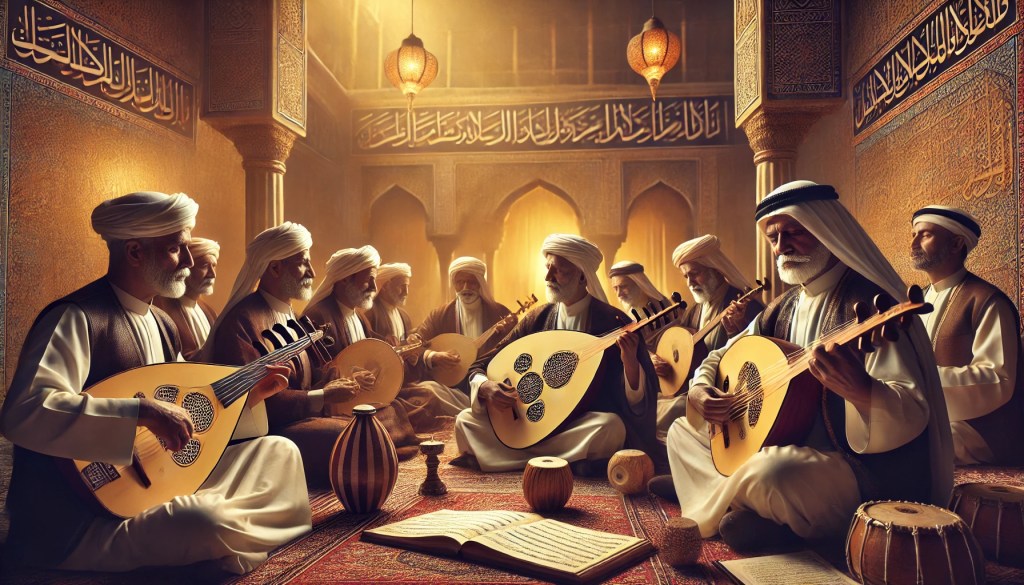
    Traditional Iraqi music is a rich culture woven from millennia of cultural exchanges, historical events, and indigenous innovations. Its unique soundscapes are characterized by distinctive instruments and melodic structures that have evolved over time.

    Key Instruments in Traditional Iraqi Music

    1. Oud: Often referred to as the “soul” of Iraqi music, the oud is a pear-shaped, fretless lute with a deep, resonant sound. Its origins trace back over 5,000 years to ancient Mesopotamia. The oud’s melancholic tones have been central to Iraqi musical expression for centuries.
    2. Santur: A hammered dulcimer with 92 steel or bronze strings, the santur produces a shimmering, ethereal sound. Its history in Iraq dates back to the Assyrian and Babylonian eras, making it a staple in traditional ensembles.
    3. Nay: This end-blown flute, made from reed, offers a breathy, haunting tone that complements the more percussive and stringed instruments. The nay is integral to Middle Eastern music, including Iraqi traditions.
    4. Darbuka: A goblet-shaped drum, the darbuka provides the rhythmic foundation in many musical pieces. Its vibrant beats are reminiscent of lively gatherings and celebrations in Iraqi culture.
    5. Riq: A type of tambourine with jingles, the riq adds both rhythmic and melodic elements to performances, enhancing the overall texture of the music.

    Influences and Evolution

    Iraqi music has been shaped by various civilizations, including the Sumerians, Akkadians, Babylonians, Persians, and Ottomans. The maqam system, a set of melodic modes, is central to Iraqi music, providing a framework for composition and improvisation. Each maqam carries its own mood and emotional expression, allowing musicians to convey a wide range of feelings.

    Significant Milestones in Iraqi Music

    • 1920s-1930s: The establishment of Iraq Radio in 1936 by Saleh and Daoud al-Kuwaity marked a pivotal moment, bringing traditional music to a broader audience. This era also saw the prominence of Jewish musicians in Baghdad’s nightclubs, contributing significantly to the urban music scene.
    • 1970s: A resurgence in interest towards Iraq’s pre-Arab cultural heritage led to efforts in preserving and showcasing traditional music, including performances featuring instruments like the modern dulcimer on Iraqi television. The Iraqi maqam, a traditional genre of Arabic maqam music, also gained renewed attention during this period.

    Studying and Understanding Traditional Iraqi Music Today

    For those interested in delving into traditional Iraqi music:

    • Educational Institutions: The Institute of Musical Studies in Baghdad offers programs focusing on the performance of traditional instruments and styles, aiming to preserve Iraq’s rich musical legacy.
    • Online Resources: Platforms like Carnegie Hall’s Musical Explorers provide lessons on Iraqi folk music, including song tutorials and insights into musical structures.
    • Listening and Practice: Engaging with recordings of traditional Iraqi music, such as those compiled by ethnomusicologist Habib Hassan Touma, can offer practical exposure to various genres and rhythmic structures. The Smithsonian Folkways Recordings collection includes valuable recordings of Iraqi traditional music.

    For a visual and auditory experience of traditional Iraqi music, you might find this performance insightful:

    Traditional Iraqi Music Performance by Ilham Al-Madfai