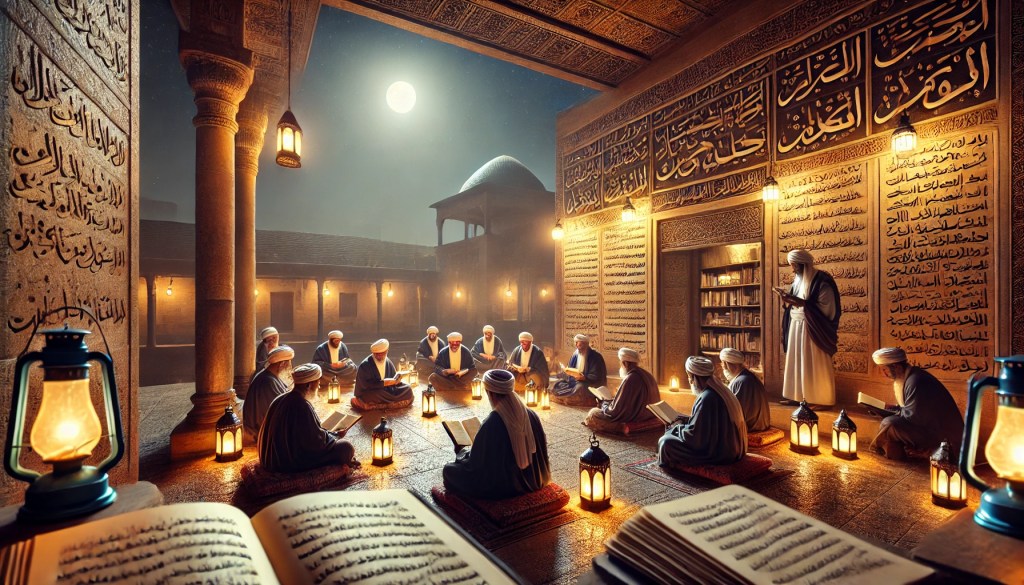
Iraq’s rich poetic heritage has produced numerous poets whose works have significantly influenced Arabic literature and culture. Their poetry reflects the nation’s historical, social, and political landscapes, offering insights into the Iraqi experience.
Al-Mutanabbi (915–965)
Born in Kufa, Al-Mutanabbi is celebrated as one of the greatest Arabic poets. His poetry is renowned for its eloquence, wisdom, and exploration of themes like courage and the philosophy of life. His works remain widely read and have been translated into numerous languages.
Nazik Al-Malaika (1923–2007)
A pioneering figure in Arabic poetry, Nazik Al-Malaika was among the first to introduce free verse into Arabic literature. Her collections, such as “Shrapnel and Ashes,” delve into themes of alienation and the human condition, reflecting the complexities of modern Iraqi society.
Muzaffar al-Nawab (1934–2022)
Known for his revolutionary spirit, Muzaffar al-Nawab addressed social and political issues in his poetry, often using colloquial language to resonate with the masses. His works have been integral in channeling Iraqi societal sentiments.
Dunya Mikhail (b. 1965)
An Iraqi-American poet, Dunya Mikhail authored collections like “The War Works Hard,” offering poignant reflections on the impacts of war and exile. Her work has received international acclaim, highlighting the personal and collective struggles of Iraqis.
Faleeha Hassan (b. 1967)
Often referred to as the “Maya Angelou of Iraq,” Faleeha Hassan delves into themes of loss, war, and hope in her poetry. Her evocative verses have been translated into multiple languages, earning her recognition both in Iraq and internationally.
Studying Iraqi Poetry Today
To explore Iraqi poetry further, consider the following approaches:
- Anthologies: Collections like “Baghdad: The City in Verse” offer curated selections of Iraqi poetry across different eras. An article discussing various Iraqi poets can be found here.
- Academic Studies: Scholarly works provide analyses of thematic and stylistic elements in Iraqi poetry, offering deeper insights into its evolution.
- Online Platforms: Websites such as the Poetry Foundation feature profiles and works of Iraqi poets, facilitating access to their poetry.
 Iraq Travel Tales